How to Plan Your First Family Hiking Adventure (Without Stress)

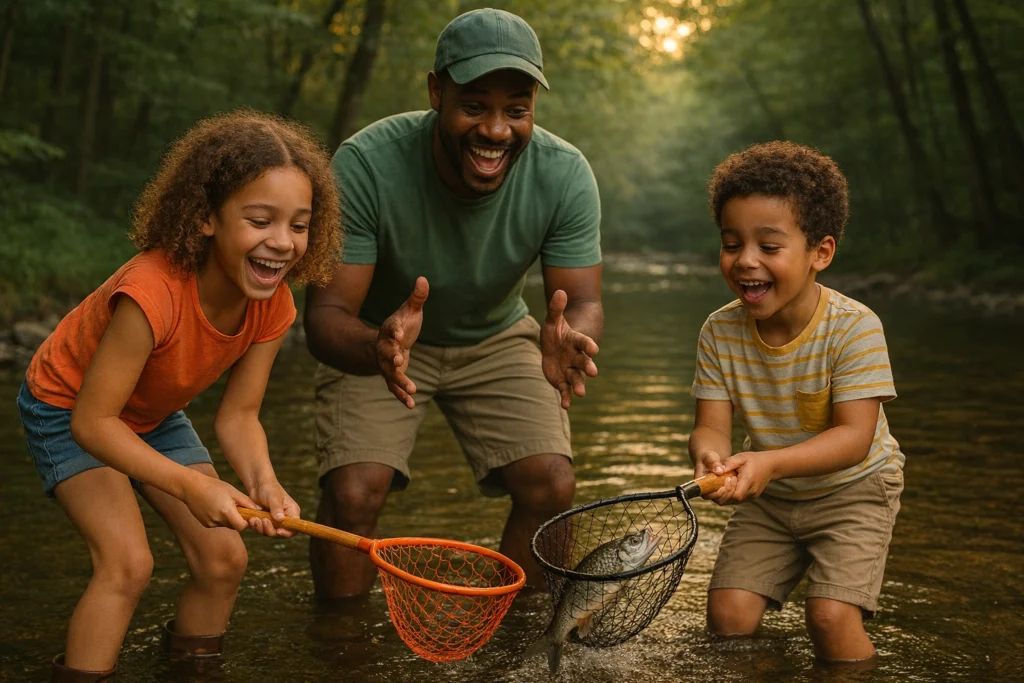
plan a family hiking trip - a family learning about outdoor habitat by participating in it

Planning Your First Family Hike Doesn’t Have to Be Overwhelming!

Your first family hike should feel exciting — not stressful.

Many parents imagine hiking with kids as complicated: packing the right gear, keeping everyone safe, managing meltdowns, and somehow still having fun. The truth is, a successful first family hike is about simplicity, not perfection.

With a little preparation and the right mindset, your first family hiking adventure can be memorable, confidence-building, and something your kids ask to do again.

This guide walks you through step-by-step planning, from choosing the right trail to setting expectations — without overthinking it.

1. Choose the Right Trail (This Matters Most)

For your first family hike, shorter is better — even if your kids are energetic.

Look for trails that are:

  • 1–2 miles round trip (or less for younger kids)

  • Mostly flat or gently rolling

  • Clearly marked

  • Close to home

  • Popular enough to feel safe, but not overcrowded

Avoid:

  • Long elevation gain

  • Narrow cliffside paths

  • Trails with river crossings

  • “Out-and-back” hikes with no clear turnaround point

➡ Read more: Hiking Safety Basics Every Child Should Know  

➡ Read more: The National Park Service offers excellent beginner trail guidance:

2. Pick the Right Time (Energy > Distance)

Timing can make or break a family hike.

Best times for first hikes:

  • Mid-morning (after breakfast, before lunch)

  • Cooler parts of the day

  • Mild weather days (avoid extreme heat or cold)

Avoid:

  • Nap times

  • Late afternoons when kids are tired

  • Tight schedules that force you to rush

Remember: you’re not training for distance — you’re building confidence.

3. Keep Expectations Realistic (and Flexible)

The goal of your first family hike is not miles — it’s smiles.

Your hike may include:

  • Frequent stops

  • Rock collecting

  • Snack breaks

  • Questions every two minutes

  • A shorter distance than planned

That’s normal.

Success looks like:

  • Kids feeling proud

  • Everyone returning safely

  • One fun moment worth remembering

If you only make it halfway? That’s still a win.

4. Pack Only the Essentials (Less Is More)

Overpacking adds stress. Keep it simple.

Family hiking essentials:

  • Water (more than you think)

  • Snacks kids actually like

  • Weather-appropriate layers

  • Sunscreen & bug spray

  • Small first-aid kit

  • Trash bag (Leave No Trace)

Kids can carry:

  • A small backpack

  • Their own water bottle

  • One personal item (binoculars, notebook, rock pouch)

➡ Read more: Essential Hiking Gear for Kids: What They Really Need (and What They Don’t)

5. Talk Safety Before You Go (Keep It Simple)

You don’t need a long lecture — just a few clear rules.

Basic kid-friendly trail rules:

  • Stay where you can see Mom or Dad

  • Stop if you can’t see the trail

  • Tell an adult before leaving the path

  • Drink water often

  • Use your voice if you need help

➡ Read more: Hiking Safety Basics Every Child Should Know

6. Make the Hike an “Adventure,” Not a Walk

Kids love purpose.

Turn the hike into a mini adventure:

  • Look for animal tracks

  • Count bridges or trail markers

  • Spot different leaf shapes

  • Listen for birds

  • Take photos of “cool finds”

➡ Read more: Outdoor Skills Kids Can Learn on the Trail
➡ Read more: Simple Nature Science Kids Can Learn While Hiking

7. End on a High Note

Stop while everyone is still enjoying it.

  • Celebrate finishing the hike

  • Take a family photo

  • Let kids share their favorite part

  • Get a treat afterward (yes, it counts as motivation)

Ending on a positive note makes kids want to go again.

Final Thought: Your First Hike Sets the Tone

Your first family hiking adventure isn’t about distance, speed, or perfection.

It’s about:

  • Building trust

  • Creating comfort outdoors

  • Showing kids that nature is fun, safe, and welcoming

Go slow. Laugh often. Turn back early if needed.

You’re not just planning a hike — you’re planting the seed for a lifelong love of the outdoors.

🥾 Download our free Family Hiking Planner (PDF) and plan your first hike with confidence.